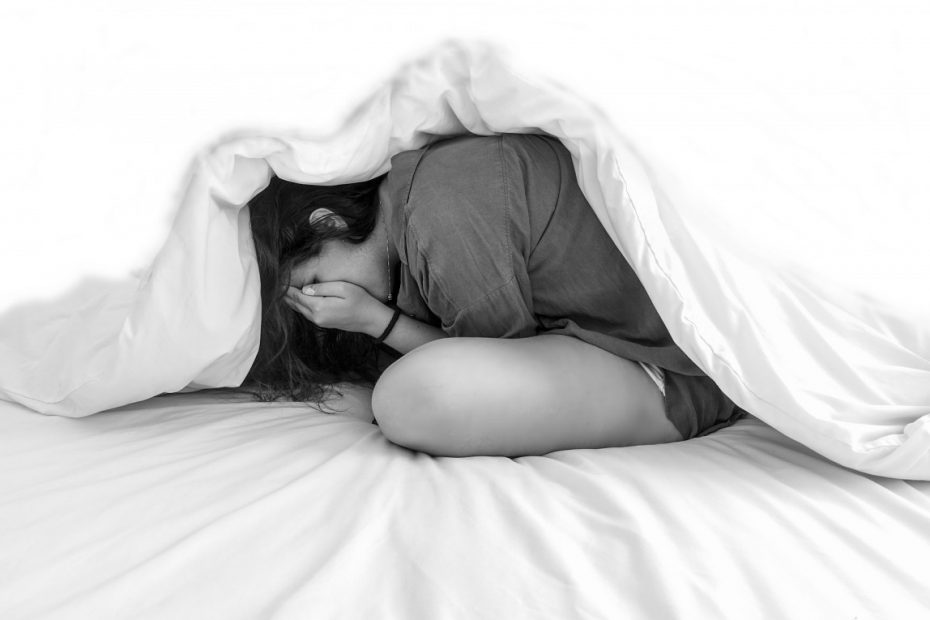
According to researchers at Wake Forest University School of Medicine, acne is a significant adolescent problem that can have emotional and psychological effects.
Adolescence is a time of physical, emotional, and social development. Acne is a common adolescent problem, affecting more than 85 percent of teenagers and some adults. Although some people think that acne is merely a cosmetic problem, it can have significant and lasting emotional and psychological effects. Acne can negatively affect mood, self-esteem, and interpersonal relationships, and can lead to depression.
Several studies have attempted to qualitatively and quantitatively assess the psychological effects of acne in teenagers. Several surveys have been conducted on this topic: in a group of 303 girls and 260 boys aged 13 to 19, 83.4% of the respondents reported having acne, 40.4% of whom rated their condition as mild, 36% as moderate, and 6.5% as severe. The survey showed that acne was more common and more severe in boys than in girls.
Pawin et al. surveyed 1,566 French adolescents. 48% of respondents indicated that their daily lives changed depending on the perceived severity of their acne. The more severe the acne lesion, the less they saw friends, or the more depressed or sad they became, and the feeling of shame was also correlated with the severity of their acne.
Another study also highlighted that, for example, back acne in both sexes can lead to isolation and relationship closure, possibly due to feelings of shame.
Acne directly affects the individual, but it can also strain family and social relationships. Parents may worry about the short- and long-term consequences of their child's appearance, such as bullying at school or permanent scarring from acne lesions.
In another study, the authors found that the psychological effects were further exacerbated by ridicule and stigma. Furthermore, prolonged acne had a lasting impact on the personality and behavior of older individuals, causing them to avoid interaction and social situations.
The above interesting research highlights that acne conditions need to be addressed from the moment they develop.
The presence of acne can negatively affect the quality of life, self-esteem, and mood of those affected.
Since such skin changes can last for many years in some people, it is worth consulting a dermatologist in more severe cases. There are several types of acne, and a dermatologist can provide assistance in treating more severe, continuously inflamed areas.
We use cosmetic therapies to treat juvenile acne: depending on the severity of the acne, we clean the sebum plugs from the pores during regular cosmetic facial cleansing and soothe the inflamed skin with product lines specifically developed for acne-prone skin. In between monthly treatments, we use radiofrequency treatment using our Power Sgape2 device twice a week. In addition, we follow a strict home treatment protocol, which includes morning and evening facial cleansing, astringent face mask, ichthyol corrector and herbal face mask.
Source:
Uslu G, Sendur N, Uslu M, et al. Acne: prevalence, perceptions and effects on psychological health among adolescents in Aydin, Turkey. J Eur Acad Dermatol Venereol 2008 Apr;22(4):462-9.
Pawin H, Chivot M, Beylot C, et al. Living with acne. A study of adolescents' personal experiences. Dermatology 2007;215(4):308-14.
Hassan J, Grogan S, Clark-Carter D, et al. The individual health burden of acne: appearance-related distress in male and female adolescents and adults with back, chest and facial acne. J Health Psychol 2009 Nov;14(8):1105-18.
Magin P, Adams J, Heading G, et al. Psychological sequelae of acne vulgaris: results of a qualitative study. Can Fam Physician 2006 Aug;52:978-9.
Dunn, LK, O'Neill, JL, & Feldman, SR (2011). Acne in adolescents: Quality of life, self-esteem, mood and psychological disorders. Dermatology online journal, 17(1).


