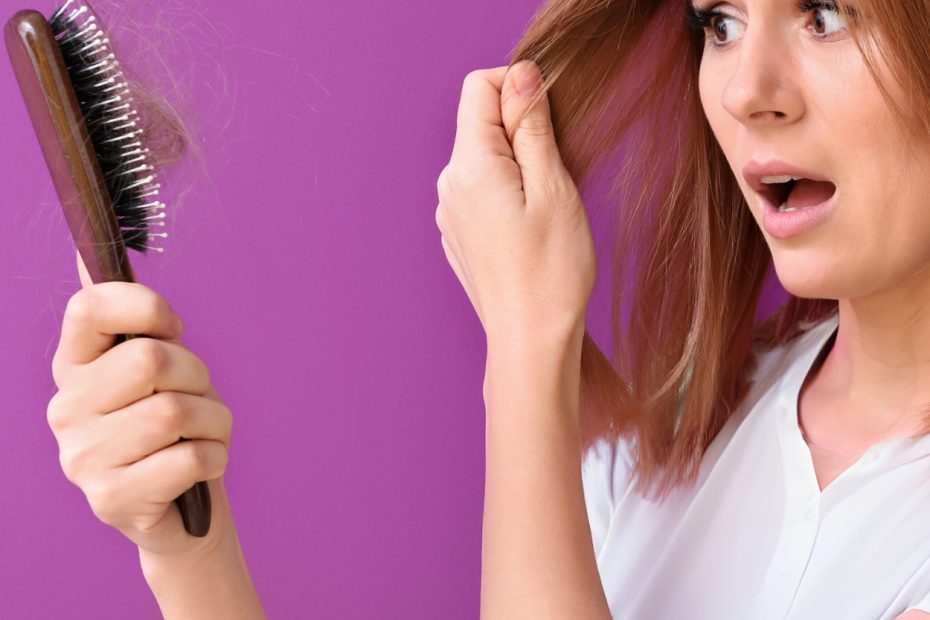
Why does our hair fall out? – Causes of hair loss
Hair loss is one of the most common beauty and health complaints that affects a significant portion of the population – both women and men. While losing 50-100 hairs per day is considered completely normal, increased or persistent hair loss often has deeper, more complex causes.
Hair growth cycle
Hair does not grow continuously, but goes through cyclically changing phases:
- Anagen phase: active growth phase that can last 2–7 years.
- Catagen phase: a short, transitional period (about 2–3 weeks) when hair follicles begin to regrow.
- Telogen phase: a resting period, after which the hair falls out and new hair begins to grow in its place.
The problems begin when hairs enter the telogen phase prematurely and are not replaced by new growth quickly enough.
Androgenic alopecia – hormonal hair loss
One of the most well-known and common types of hair loss is androgenic alopecia, or hormonal hair loss. In men, this manifests as the well-known “M-shaped” baldness, while in women it is more of a diffuse thinning of hair.
The trigger is a hormone called dihydrotestosterone (DHT), which shrinks hair follicles in people with a genetic predisposition. The hair strands become shorter, thinner, and eventually stop growing altogether. Androgenetic alopecia cannot be cured, but it can be treated – for example, with preparations containing minoxidil or finasteride.
Hormonal changes and hair loss in women
Fluctuations in hormone levels can be particularly sensitive to women's hair. The following life situations often cause temporary or permanent hair loss:
- After giving birth (postpartum hair loss): During pregnancy, high estrogen levels prolong the anagen phase, resulting in less hair loss. However, after giving birth, these estrogen levels drop and many hairs enter the telogen phase at once – which can result in dramatic hair loss.
- Menopause: Hormonal imbalance (decrease in estrogen and increase in androgens) often leads to diffuse hair loss.
- Thyroid problems: Both hypo- and hyperthyroidism (under- or overactive thyroid) can disrupt hair growth, as thyroid hormones play a key role in cellular metabolism – including hair follicles.
Stress and telogen effluvium
THE telogen effluvium is one of the most common forms of temporary hair loss. It is characterized by the fact that after some physical or mental stress (e.g. feverish illness, surgery, emotional trauma, drastic weight loss), a large number of hair strands simultaneously enter the resting phase. This manifests itself in massive hair loss 2–3 months after the triggering event. Although it can be frightening, this is usually reversible if the underlying cause is eliminated.
Post-Covid hair loss – the aftermath of the pandemic
Hair loss following COVID-19 infection has also received increasing attention in recent years. Viral infection, fever, inflammatory processes, and physical and mental stress can all trigger the development of telogen effluvium. In many cases, hair loss begins only 2–4 months after infection and can last for several months. The good news is that in most people affected, hair regrows over time.
Nutrition and nutritional deficiencies
Hair is made up of rapidly dividing cells, making it particularly sensitive to the body's nutritional needs. The following deficiencies are particularly common in cases of hair loss:
- Iron deficiency
- Zinc deficiency
- Vitamin D deficiency
- Vitamin B12 deficiency
- Low-protein diet
A balanced, varied diet and, if necessary, the use of nutritional supplements can help restore the conditions necessary for hair growth.
Medications and autoimmune causes
Certain medications can also cause hair loss, such as:
- Chemotherapy drugs
- Antihypertensives
- Antidepressants
- Retinoids
In addition, autoimmune alopecia areatathe During this process, the body's immune system attacks its own hair follicles, often resulting in patchy baldness.
Summary: listen to your body's signals
Hair loss is often not just an aesthetic problem, but a sign of an imbalance in the body. Although many types are temporary, if hair loss is persistent, increasing, or accompanied by other symptoms, it is definitely worth seeking medical attention.
How can AW Cosmetics help?
THE with laser hair therapy and with the herbal preparations with high active ingredients we use, we can help with most hair loss problems. Request an appointment for a consultation or come to our free Open Day.


